Updated
Court Cards Meaning
Learn Pages, Knights, Queens, and Kings as people, roles, maturity levels, and spiritual invitations in tarot readings.

Guide
7 min read
Court cards are not just people
Many beginners freeze when a Page, Knight, Queen, or King appears. They ask, who is this? Sometimes the answer is a person. But often the deeper question is, what level of maturity is being asked of me?
God forms people through roles. We learn, we move, we govern the inner life, and we steward the outer life. The court cards show those stages in symbolic form.
Read the rank as maturity
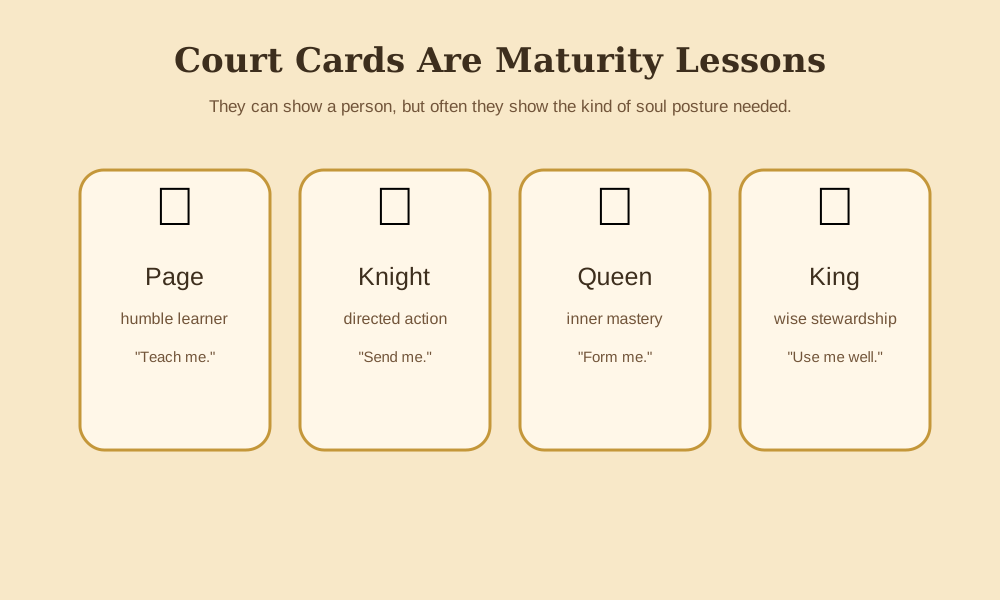
The Page is the student. The Knight is the one in motion. The Queen has inward mastery. The King carries outward responsibility. None is automatically better. Each has a holy task and a shadow.
A Page may be exactly what you need if pride has made you unteachable. A King may be dangerous if leadership has become control. Tarot is honest enough to show both.
Add the suit
The Queen of Cups is inner mastery in emotion and compassion. The King of Swords is leadership through truth and judgment. The Knight of Wands moves with fire, while the Page of Pentacles learns through practice and grounded commitment.
The suit tells you where the maturity is being tested. Love, work, money, conflict, calling, and healing all require different forms of wisdom.
Let the card correct you
Court cards can be flattering, but they can also expose spiritual immaturity. A Knight may reveal that you are moving fast because you are afraid to be still. A Queen reversed may reveal emotional control disguised as care.
That correction is not condemnation. God is not confined to religion. Divine wisdom can move through any symbol that awakens truth in the soul.
Court Card Roles
Court cards can describe another person, but they often describe the posture you are being asked to develop.
| Court | Spiritual posture | Shadow to watch |
|---|---|---|
| Page | Student, messenger, beginner, humble curiosity. | Immaturity, distraction, wanting insight without discipline. |
| Knight | Movement, devotion, pursuit, courage in action. | Rush, obsession, pride, or charging ahead without wisdom. |
| Queen | Inner mastery, receptivity, emotional or spiritual authority. | Control, withdrawal, manipulation, or unspoken resentment. |
| King | Stewardship, leadership, protection, outer authority. | Domination, rigidity, ego, or responsibility without tenderness. |
Written by
Lucia Aurelia
Tarot educator and symbolic reflection writer
Lucia Aurelia writes about tarot as a reflective language for symbols, questions, journaling, and grounded spiritual practice.
Common Questions
Court Cards Meaning FAQ
Do court cards always represent people?
No. Court cards can represent people, but they can also show maturity levels, behaviors, roles, or qualities you need to embody.
Why are court cards hard to read?
They are hard because they sit between personality, spiritual posture, and real-world relationship dynamics.
How should I start reading court cards?
Ask whether the card is showing a person, a part of you, or the kind of maturity the situation requires.
More From The Blog
Continue reading tarot education.
7 min read
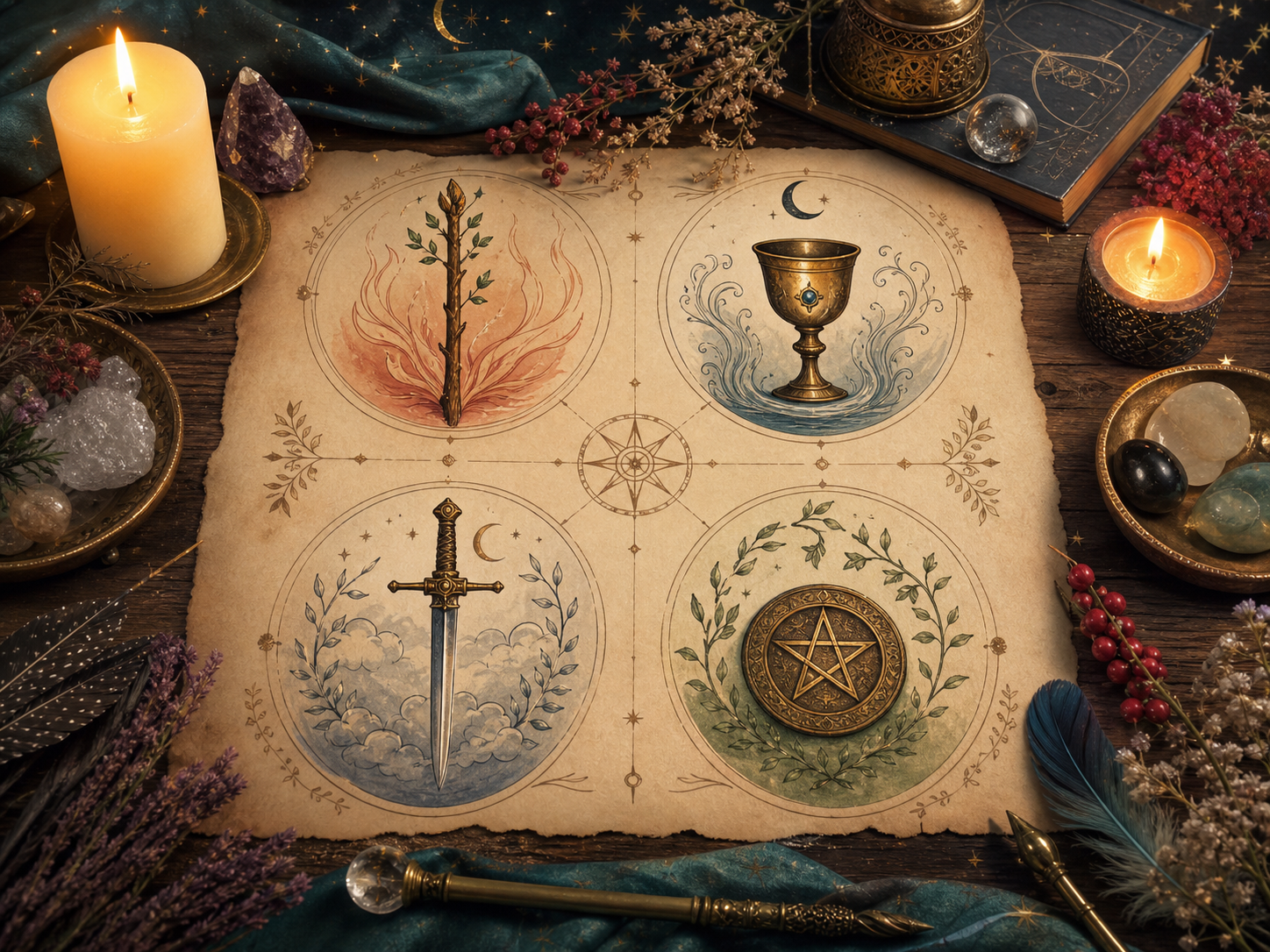
Tarot Suits Meaning
Learn the spiritual meaning of Wands, Cups, Swords, and Pentacles through divine order, symbolism, and practical discernment.
Read article
8 min read
Tarot Numbers Meaning
Understand tarot numerology from Ace to Ten as a pattern of divine order, growth, testing, completion, and spiritual responsibility.
Read articlePractice with one card
Ask a question, draw a card, and use the reading as the first entry in your tarot journal.